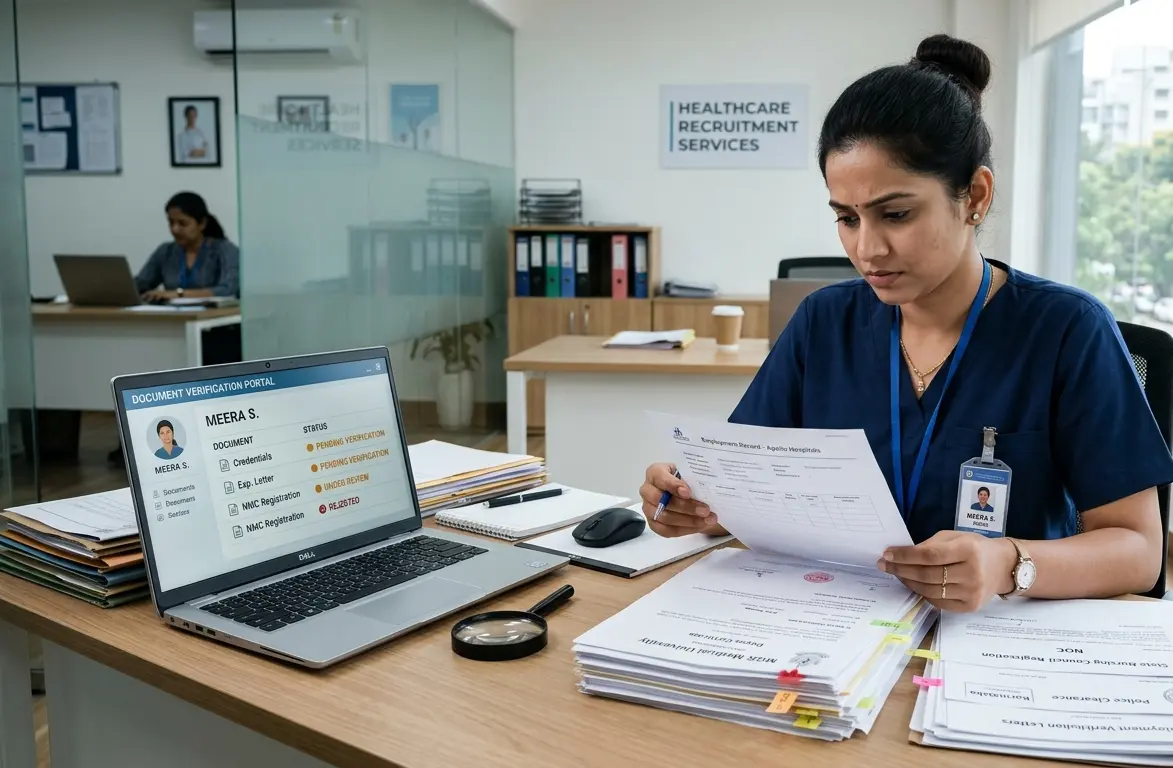
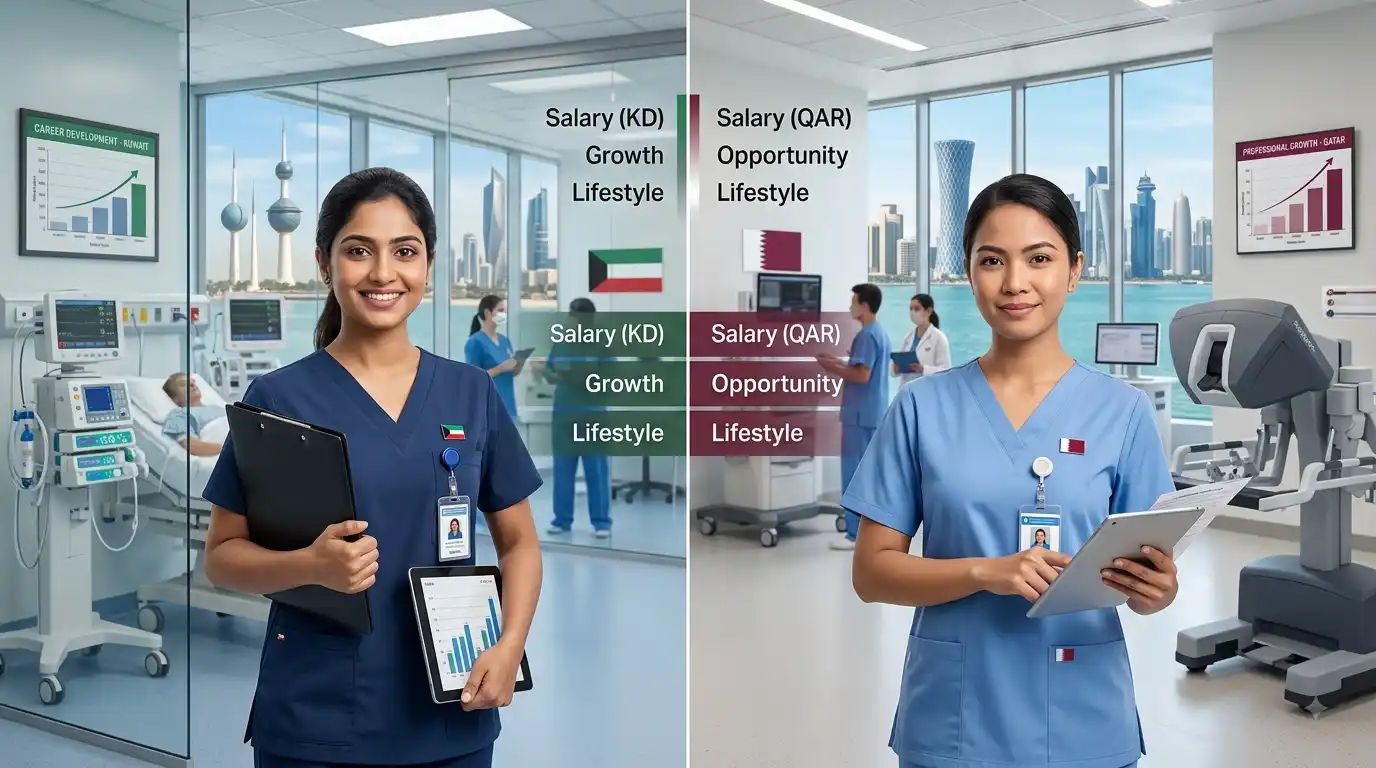
Common Reasons DataFlow Verification Gets Delayed or Rejected DataFlow verification (primary source verification) is an essential step for nurses and healthcare professionals planning to work abroad. It verifies educational qualifications, professional licenses, and employment records directly with issuing institutions to confirm their authenticity. However, administrative errors, missing documents, or slow responses from issuing institutions can stall the process. At Concise International, we guide healthcare professionals through the complexities of international career opportunities. Candidates seeking a reliable nursing job agency in Kerala should understand these common pitfalls to prepare their documentation accurately and avoid unnecessary delays or negative verification reports Common Causes of Verification Delays 1. Unresponsive Issuing Sources DataFlow contacts universities, nursing councils, licensing authorities, and previous employers directly. If these institutions respond slowly, lack dedicated verification desks, or fail to locate old archived records, verification takes significantly longer. Prevention: Provide direct, accurate contact details (official email addresses and phone numbers) and inform the relevant institutions in advance about incoming verification requests. 2. Operational and Regional Obstacles Public holidays, staff shortages, administrative backlogs, and institutional closures can slow down verification. Applications involving cross-border coordination across multiple countries often take additional time. Prevention: Initiate your application early, monitor your tracking status regularly, and respond immediately to any queries raised by the DataFlow team. 3. Incomplete Documentation Missing mark sheets, incomplete application forms, missing transcript pages, or unreadable files will pause the verification process until all required information is provided. Reversion: Review the official document checklist for your target licensing board and ensure every required file is complete before final submission Common Causes of Rejections or Negative Reports 1. Name and Personal Detail Mismatches Variations in spelling, missing expanded initials, or differing dates of birth across passports, degree certificates, and nursing council registrations trigger compliance red flags. Prevention: Carefully audit all personal details across documents prior to submission. Attach legal name-change documents, marriage certificates, or official affidavits wherever discrepancies exist. 2. Inconsistent Employment Data Differences between reported employment dates, job titles, and internal hospital HR records frequently result in discrepancy flags during background checks Prevention: Verify all work history against official experience certificates and salary statements, ensuring hospital HR records match your claimed tenure exactly. 3. Fake or Altered Documents Forged certificates, fabricated experience letters, or unauthorized alterations lead directly to a negative report. This can result in permanent blacklisting by regulatory authorities (e.g., DHA, MOH, QCHP, SCFHS). Prevention: Submit only 100% genuine documents and request official corrections directly from the issuing authority if errors exist. 4. Poor-Quality Uploads Blurred scans, cropped margins, or unreadable official seals and signatures prevent assessors from properly validating documents. Prevention: Upload clear, high-resolution, full-page color scans that strictly adhere to the portal’s size and format requirements. 5. Expired Credentials Submitting expired nursing registrations or lapsed professional licenses will halt processing where active licensure is mandatory. Prevention: Verify credential validity dates and renew all relevant registrations prior to launching the DataFlow process. 6. “Unable to Verify” (UTV) or “Discrepancy” Status An “Unable to Verify” status means records could not be retrieved or confirmed by the source institution, whereas a “Discrepancy” status indicates that submitted details differ from primary source records. Neither status automatically proves fraud, but both require prompt remediation. Prevention: Review the report thoroughly, contact the issuing institution to locate missing files, gather supporting evidence, and follow the official appeal procedure for re-review 3. Eligibility Requirements for GCC Nursing Jobs Indian nurses generally need a recognised nursing qualification, valid professional registration, and the required clinical experience. Employers may also assess communication skills, professional competence, and speciality-specific expertise. Is Experience Mandatory? Many registered nurse positions require relevant post-registration experience. However, requirements vary by country, employer, and role. Freshers should check vacancies that explicitly accept less-experienced candidates and verify applicable licensing rules. 4. Nursing Licensing Requirements Nurses must meet the licensing requirements of the destination country’s healthcare regulator before practising. Common Licensing Steps Identify the appropriate licensing authority. Submit educational and professional documents for verification. Complete any required licensing examination. Apply for registration or eligibility approval. Complete outstanding licensing and employment formalities. Requirements vary by GCC country, so always consult the relevant authority 5. Documents Required for GCC Nursing Jobs Commonly required documents include: Updated CV and valid passport. Nursing qualification certificates and transcripts. Nursing council registration certificate. Employment and experience certificates. Passport-size photographs. Certificate of good standing, if required. Licensing examination results and verification reports, where applicable. Additional documents, attestations, or police clearance may be necessary depending on the destination. 6. Salary and Benefits for Gulf Nurses Nursing salaries depend on qualifications, experience, speciality, employer, and location. Employment packages may include accommodation, medical insurance, annual leave, transport allowances, and other benefits. What Should You Check Before Accepting an Offer? Review the basic salary, allowances, accommodation, working hours, overtime, insurance, leave entitlements, and contract conditions. Calculate your expected savings after living expenses and verify the employer before accepting an offer. 7. How to Apply for GCC Nursing Jobs Step-by-Step Application Process Choose your preferred GCC country. Check eligibility and licensing requirements. Prepare your CV and documents. Apply through legitimate job portals, hospitals, or recruitment agencies. Attend interviews and complete assessments. Review your employment contract. Complete licensing, visa, and travel formalities. 8. How to Choose a Reliable Nursing Recruitment Agency Choose an agency with verifiable credentials, transparent job offers, clear fee policies, and genuine employer connections. Check applicable overseas recruitment authorisations and avoid unrealistic promises about jobs, licences, or visas. Conclusion Successful DataFlow verification starts with accurate documentation, proper preparation, and timely follow-ups. At Concise International, we support nurses and healthcare professionals throughout their overseas career journey by providing guidance on document preparation, DataFlow verification procedures, licensing requirements, and international job opportunities. Our team helps candidates understand verification requirements, identify potential documentation issues, and take the necessary steps to address delays or discrepancies. As a trusted nursing job agency in Kerala, Concise International is committed to making your overseas career journey smoother with personalized guidance and reliable recruitment support, helping you move forward towards your international healthcare career